
Researchers have improved recovery of spirulina’s blue protein pigment

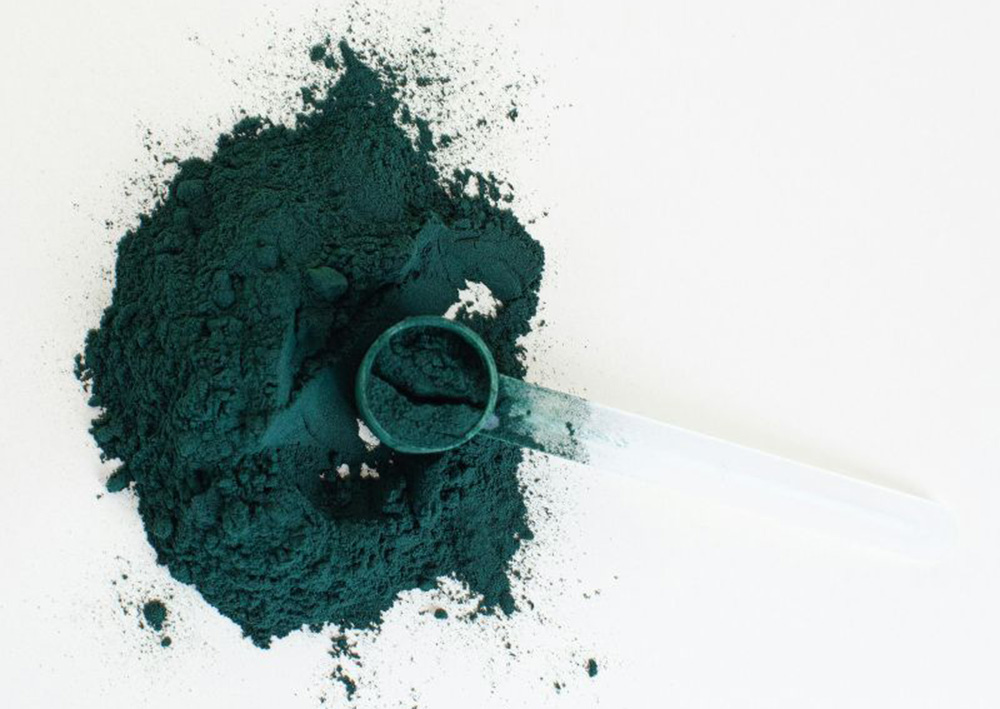
Researchers in Germany have recovered more of spirulina’s blue protein pigment C-phycocyanin by changing how they grow the biomass before extraction. In a study published on November 24, a lower-salt cultivation medium helped pulsed electric field treatment recover 96.6% of the amount extracted by an ultrasound reference method, compared with 50.6% when the researchers used the standard growth medium.
• The study by TU Berlin and OTH Amberg-Weiden found that spirulina grown in reduced-salt media released more of its blue protein pigment after pulsed electric field treatment.
• After seven days of growth, recovery reached 96.6% of the ultrasound reference under the best condition tested, compared with 50.6% for biomass grown in the standard medium.
• The difference narrowed after 14 days. The researchers tested washed biomass in a separate buffer, leaving direct treatment in the growth medium and the economics for future work.
Justus Knappert and Cornelia Rauh of Technische Universität Berlin and Christoph Lindenberger of OTH Amberg-Weiden examined cultivation and extraction together in the Frontiers in Bioengineering and Biotechnology paper. They grew Arthrospira platensis, a cyanobacterium commonly known as spirulina, in four versions of the same growth medium. The formulations differed in their carbonate concentration, with changes to some other salts and nutrients. The team then measured how readily the biomass released C-phycocyanin after the electrical treatment.
C-phycocyanin is the blue protein-pigment complex that gives spirulina extracts their color. A high biomass yield only helps an ingredient producer if the extraction step can recover enough pigment. With pulsed electric fields, changes to the growth medium could also affect the electrical demands of the extraction process if the biomass were treated directly in that medium.
After seven days, the researchers found no significant differences in biomass concentration or phycocyanin content among the four growth conditions. The differences emerged during extraction. At the higher of the two electrical treatment levels tested, biomass grown in the two lowest-carbonate media yielded 96.6% and 90.8% of its ultrasound reference. The two higher-carbonate conditions yielded 52.7% and 50.6%, respectively. These percentages express recovery relative to the study’s ultrasound method, which provides a reference for comparison across its experimental groups.
The same pattern appeared when the authors compared the quantity recovered per gram of dry biomass. For the two lowest-carbonate conditions, the higher-energy treatment recovered about 139mg and 133mg per gram after seven days. The researchers found these yields were significantly higher than for the standard growth medium under that treatment. The biomass had contained similar amounts of the pigment at that harvest point, so the result hinged on how much the treatment released.
By day 14 the comparison changed. Biomass grown in the reduced-salt formulations contained less phycocyanin than biomass in the richer growth conditions, which the researchers linked to nutrient limitation. Differences in absolute pigment recovery across the four formulations were no longer statistically significant. For a producer, the result makes harvest timing part of the decision alongside nutrient cost. Yield per gram of biomass is one measure, while the quantity a vessel can deliver over a given period depends on growth as well.
The team washed the biomass and transferred it to a standardized buffer before applying the pulses. That made it possible to compare the biomass under common extraction conditions. The authors identified treatment directly in the culture medium as a next step. Standard media can have electrical conductivity high enough to make that route challenging, so a lower-conductivity medium could reduce the peak power needed for treatment. The study gave no measurement of energy savings from that proposed change.
To assess the process commercially, developers would need to know how the higher recovery holds up in a continuous or larger-volume system and how much of the recovered pigment meets the intended ingredient specification. The work gives them a reason to look beyond the extraction equipment itself. The composition of the growth medium and the timing of harvest can change how much color a given batch yields.
There are two different costs to track in any follow-on study. One is the electrical input required to recover the pigment. The other is the cost of making and handling the biomass upstream, including the extra handling if operators need to wash or transfer it. A test in the original growth medium would help determine whether the process can remove that handling step while preserving the extraction yield.
(Figure 5 from Knappert, Lindenberger and Rauh, Frontiers in Bioengineering and Biotechnology, CC BY 4.0)

Join Us At One Of Our Upcoming Events

If you have any questions or would like to get in touch with us, please email info@futureofproteinproduction.com