
Waitrose sells 32% more beans than rice as jarred bean sales rise 53%

Waitrose sold 32% more beans than rice this year, up from a 28% gap in 2025, according to the retailer’s 2026–2027 Food & Drink Report, published on November 25. Jarred bean sales rose 53% over the last year, and the retailer also recorded a 70% increase in searches for aquafaba, the cooking liquid from pulses.
• Waitrose said it sold 32% more beans than rice this year, compared with 28% more in 2025. It reported a 53% rise in jarred bean sales.
• Searches for aquafaba on Waitrose’s website rose 70%. The cooking liquid from pulses can foam and stabilize emulsions, giving food developers an ingredient to test in egg-free recipes.
• Waitrose based its report on its own sales data and an August survey of 4,074 customers. The results describe the retailer’s customers and purchases in its stores.
Waitrose used sales data gathered in September and October and responses from 4,074 members of the John Lewis Partnership Perspectives Panel, surveyed in August. Its food, drink and nutrition specialists also contributed. The beans-versus-rice comparison gives a view of how shoppers at one grocer are buying two familiar staples. It says more about applications for whole pulses than it does about demand for isolated plant proteins or plant-based meat.
Waitrose counted canned and dried beans in its comparison with rice, which included both microwaveable products and uncooked grains. More than 40% of the shoppers surveyed said they ate beans, lentils or chickpeas at least twice a week. Grocery buyer Emma Penman said Waitrose had also seen customers use beans in dishes usually made with rice, including biryani and fried rice.
Maddy Wilson, Director of Own Brand at Waitrose, described “a deeply considered return to whole-food nourishment” in the retailer’s announcement, citing pulses alongside regeneratively farmed foods and full-fat dairy. The report also described shoppers looking for more contrast in textures and stronger flavors. For manufacturers, beans have a place in both observations. They can bring protein and fiber to a meal while providing body in formats where the texture of the bean itself matters.
Sales of creamy white beans rose 37% in the past year, the report said. Sales of Bold Bean Co’s Queen Butter Beans were up 271%, and Waitrose added Duchy Organic White Beans to its own range. White beans work in several formats. A whole bean can provide bite in a chilled salad, while a soft cooked bean can be blended into a sauce or dip. For prepared meals and side dishes, the developer has to decide whether beans should be visible or serve as part of the base. That choice affects both how the dish is made and how readily a shopper recognizes what it will taste like.
Waitrose separated general searches for aquafaba from searches for recipes using it. Recipe searches rose 20% year on year, with the retailer citing uses such as plant-based pies, whipped dessert toppings and meringues. Aquafaba gives manufacturers a second way to use the same crop. Chickpea cooking liquid is one of its best-known forms. It can hold air in a whipped mixture and help keep oil and water together in an emulsion, properties that have drawn interest in applications such as sauces, desserts and some baked goods. One study in the International Journal of Food Science & Technology found substantial differences in how aquafaba from different canned chickpeas performed and examined its use in egg-free sponge cake.
Consistency is where a ready-to-use ingredient diverges from the liquid in a jar or can. A supplier has to control the characteristics that affect foaming or emulsion stability from one lot to the next. A product developer also has to pin down which egg function matters in a particular formulation. The requirements of a whipped product differ from those of a sauce, and the same ingredient may behave differently after heating or in the presence of other ingredients.
PPTI has previously covered suppliers taking these routes with pulses. FABUMIN uses legume cooking-water side streams to make a functional powder for uses including bakery and sauces. Happy Plant Protein has worked with faba beans to make a textured ingredient for manufacturers. Both start with familiar crops, but the buyer of a functional powder is looking for a different performance specification from the buyer using a textured protein in place of meat.
The Waitrose figures offer product developers different evidence from a supplier trial. They show what the grocer’s shoppers have put in their baskets and where the retailer sees interest in new uses for familiar ingredients. How far that translates into demand for new packaged foods will depend on what manufacturers make with the beans and how the finished products compare on convenience, price and taste.
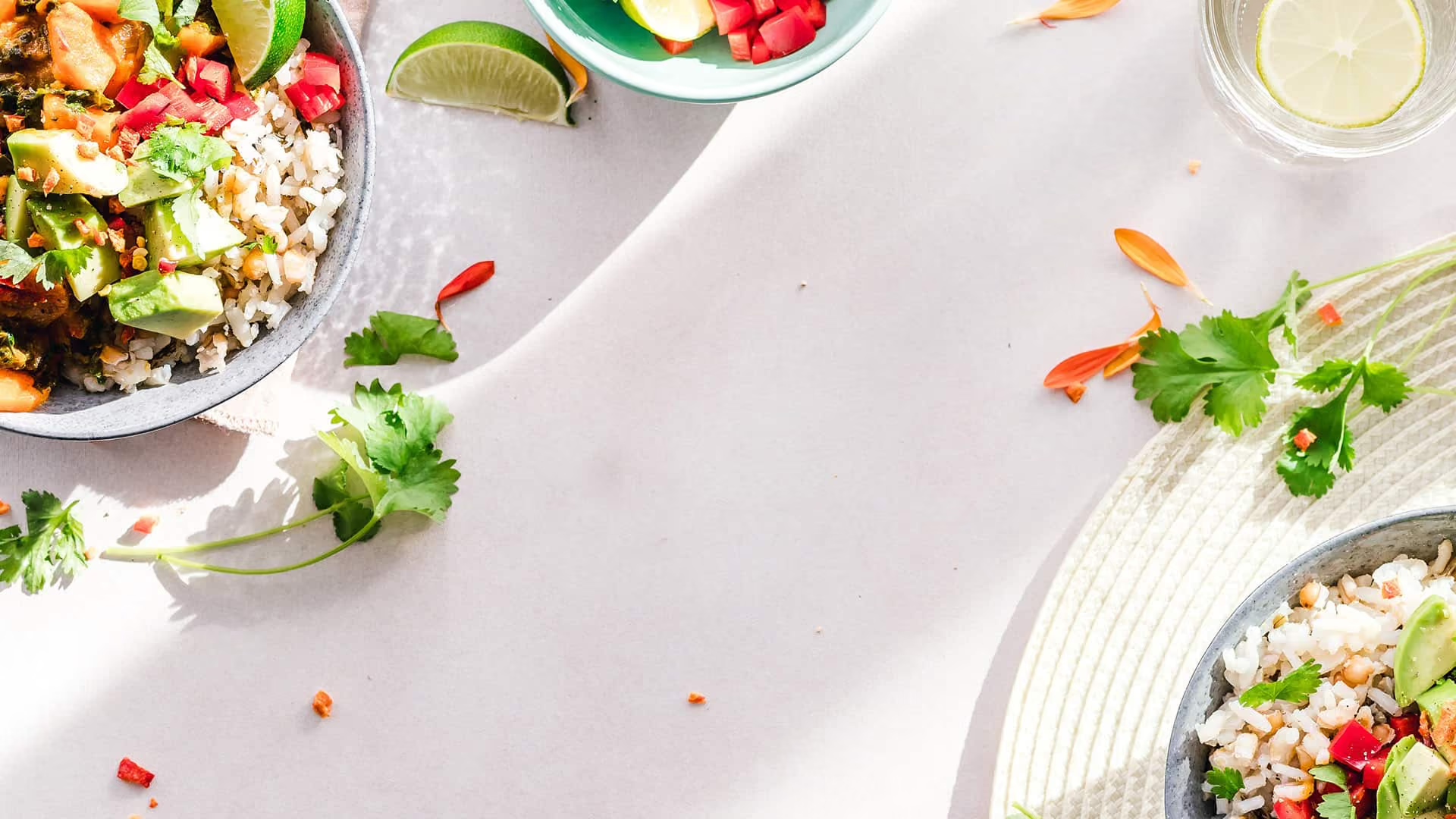
(Main photo courtesy of Waitrose and John Lewis Partnership)

Join Us At One Of Our Upcoming Events

If you have any questions or would like to get in touch with us, please email info@futureofproteinproduction.com